In industrial firefighting, the right equipment can be the difference between quickly containing a fire and letting it spread. Two of the most commonly used types of firefighting vehicles are foam tankers and water tankers. While both serve essential roles in fire suppression, they are suited for different scenarios and come with distinct features. Here’s a closer look at the key differences between foam and water tankers. Plus learn how each plays a vital role in industrial fire safety.
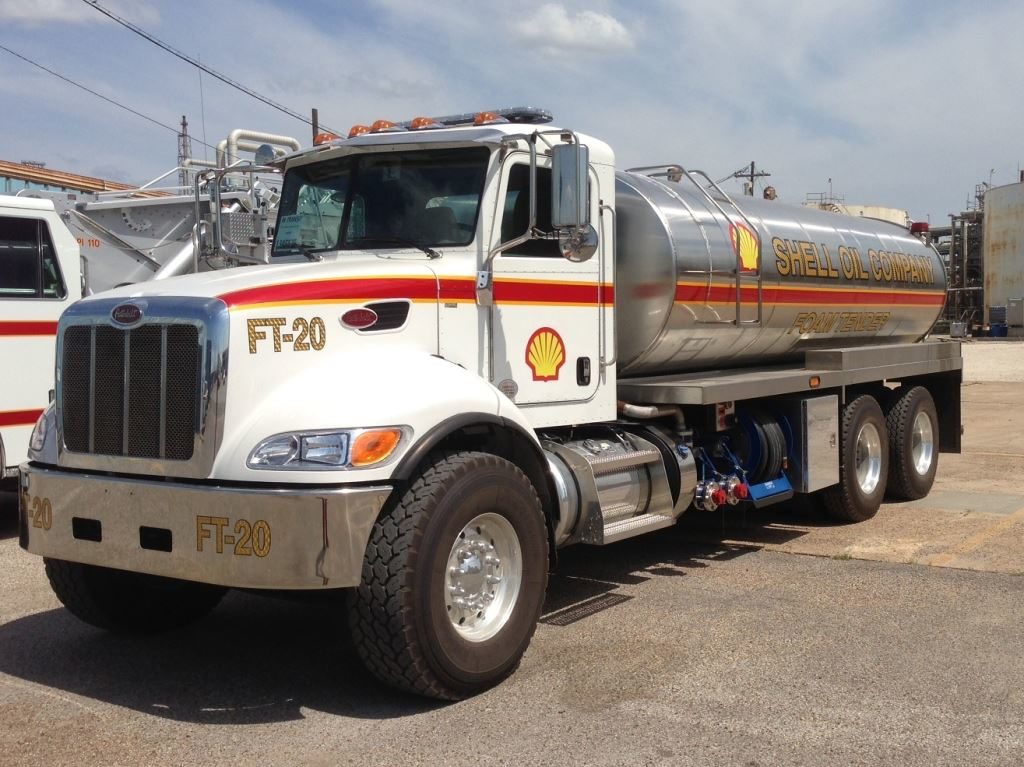
What is a Foam Tanker?
A foam tanker is a specialized vehicle designed to transport and deliver firefighting foam for controlling and extinguishing fires. Foam is particularly effective in situations where water alone may not be sufficient, such as when dealing with flammable liquids, chemicals, or fuel fires that cannot be extinguished with just water. Foam works by forming a blanket over the fire, cutting off the oxygen supply, and preventing the fire from reigniting.
The foam used in industrial firefighting is typically a foam concentrate mixed with water and then aerated to produce a stable foam. This foam is then deployed using a system of hoses, nozzles, or foam monitors that allow for precise coverage and application.
What is a Water Tanker?
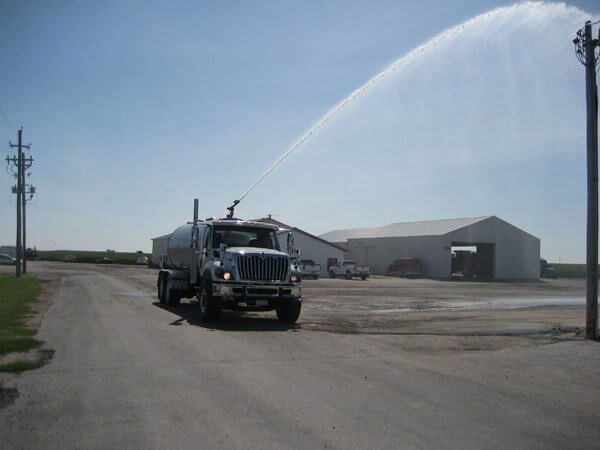
A water tanker, on the other hand, is a vehicle equipped with a large tank filled with water for firefighting. Water tankers are the most commonly used vehicles for fire suppression in many industrial applications. They can be used to attack fires, cool down overheated areas, and provide a continuous water supply to firefighters on the ground. Water tankers are essential for most types of fires. Still, they are especially effective in fighting fires in environments that don’t involve flammable liquids or chemicals, such as wood, grass, and general debris fires.
Water tankers are equipped with a large pump system, hoses, and nozzles that allow for the quick deployment of water. While water may not be as effective as foam in certain scenarios, it remains an essential tool for extinguishing fires in many industries.
Key Differences Between Foam Tankers and Water Tankers
- Fire Suppression Method
- Foam Tankers: Use a foam concentrate mixed with water to create a foam blanket that smothers fires, particularly effective against flammable liquid fires.
- Water Tankers: Use water as the primary firefighting agent, often effective in extinguishing fires involving combustible materials like wood, paper, and plastics.
- Effectiveness in Different Scenarios
- Foam Tankers: Essential for oil refineries, chemical plants, and mining operations, where flammable or hazardous materials are present. Foam is often the best choice when dealing with fuel, chemicals, or flammable gases, as it prevents the fire from reigniting and suppresses vapors.
- Water Tankers: Ideal for grass fires, building fires, and general industrial fires. Water is often used to cool down hot spots or as the primary means of extinguishing most common industrial fires.
- Application in Industrial Settings
- Foam Tankers: Specifically designed for areas at higher risk of hazardous fires, such as petrochemical facilities, airports, and mining sites. The foam forms a protective layer over burning liquids, making it effective in preventing the spread or reignition of flames.
- Water Tankers: Primarily used for wildfire suppression in industrial areas or firefighting operations where water is available, such as in factories or buildings where the risk of flammable liquids is low.
- Speed and Efficiency
- Foam Tankers: Provide faster and more efficient suppression in fires involving flammable liquids or gases due to the ability of foam to block the oxygen supply and cool the fire rapidly.
- Water Tankers: Provide reliable and quick suppression for most common fires, though they may need to be used in larger volumes compared to foam.
- Cost and Maintenance
- Foam Tankers: Tend to be more expensive due to the specialized equipment and foam systems required. Foam concentrate can also be costly, and the system requires regular maintenance to ensure proper operation.
- Water Tankers: Generally more cost-effective and simpler to maintain, but may not be as versatile as foam tankers when it comes to handling industrial fires involving hazardous materials.
Choosing the Right Tanker for Your Industrial Needs
When choosing between a foam or water tanker, consider the specific fire risks at your facility.
- For chemical plants, refineries, and oil storage facilities, foam tankers are critical. Water alone won’t be able to suppress fires involving flammable liquids. Foam tankers also help minimize environmental impact by preventing the spread of hazardous materials during a fire.
- For general manufacturing, mining, or construction sites, water tankers offer quick and practical fire suppression. Foam systems are still recommended for unexpected hazardous material fires.
Conclusion
Both foam tankers and water tankers are essential tools in the industrial firefighting arsenal. They each serve a unique purpose depending on the type of fire being fought. Foam tankers are specialized for dealing with hazardous and flammable materials. Whereas water tankers provide reliable fire suppression in a variety of industrial settings. Know the key differences to choose the right tanker. The right choice ensures your team can respond to emergencies safely and efficiently.
At Osco Tank & Truck Sales, we specialize in building custom firefighting tankers, including both foam and water tankers tailored to your industrial needs. Need a foam tanker for a chemical plant or a water tanker for a manufacturing facility? We provide the right solution to keep your operations safe.
Explore recent deliveries to see how our custom trucks are built and delivered across the country.