Upgrading a fire department fleet is one of the most important long-term investments a municipality can make. The right mix of fire tankers, tenders, and specialty apparatus directly impacts response times, firefighter safety, and overall operational efficiency.
At Osco Tank & Truck Sales, we work with departments across the country to evaluate their fleets, identify gaps, and determine whether upgrading, refurbishing, or replacing equipment delivers the best value.
1. Start by Assessing Your Current Fleet
Start by taking stock of your existing vehicles. Ask yourself:
- Which trucks are approaching the end of their service life?
- Are certain units underperforming or frequently in maintenance?
- Do your current tankers or tenders meet the needs of your terrain and call volume?
Understanding gaps and weaknesses in your fleet will help you prioritize replacements or upgrades rather than spending on unnecessary vehicles.
2. Define Operational and Community Needs
No two fire departments operate the same way. Your fleet should reflect your specific environment and call volume.
- Response areas: rural, urban, or industrial environments
- Water/foam capacity needs
- Pump and discharge capabilities
- Specialized functions: rapid response, off-road access, chemical site coverage
This step ensures your next investment is purpose-built—not just a replacement.
3. Understand Your Budget and Long-Term Value
Fleet upgrades are a major financial decision. It’s important to look beyond upfront costs and consider long-term value.
- Total cost of ownership: initial purchase, maintenance, fuel, and warranties
- Potential cost savings: durable materials, lower maintenance frequency, or multi-purpose vehicles
- Financing or grant opportunities: many departments can offset costs through FEMA or state programs
A realistic budget ensures you can get the right vehicles without compromising on essential features.
4. Upgrade, Refurbish, or Replace? Making the Decision
One of the biggest questions departments face is whether to refurbish existing equipment or invest in new apparatus. The following table can help in understand which alternative is better for you based on your specific needs.
Fire Apparatus Refurbishment vs. Replacement
| Consideration | Refurbish Existing Apparatus | Replace with New Apparatus |
|---|---|---|
| Chassis condition | Chassis and core structure remain in good condition | Chassis or major structural components are deteriorating |
| Operational needs | Current apparatus still meets most department needs | Department has outgrown the vehicle’s capabilities |
| Maintenance | Repairs remain manageable and cost-effective | Repair frequency and costs continue to increase |
| Major systems | Engine, transmission, electrical, and other key systems remain reliable | Major systems are aging, unreliable, or failing |
| Safety & standards | Apparatus can continue to meet department safety requirements | Aging equipment can no longer adequately meet current needs |
| Customization | Targeted upgrades can improve performance and extend service life | A new build allows the apparatus to be configured around current and future needs |
| Long-term value | Extending service life provides a practical return on investment | Continued refurbishment would offer diminishing long-term value |
5. Customize for Maximum Efficiency
Every department has unique needs. With Osco:
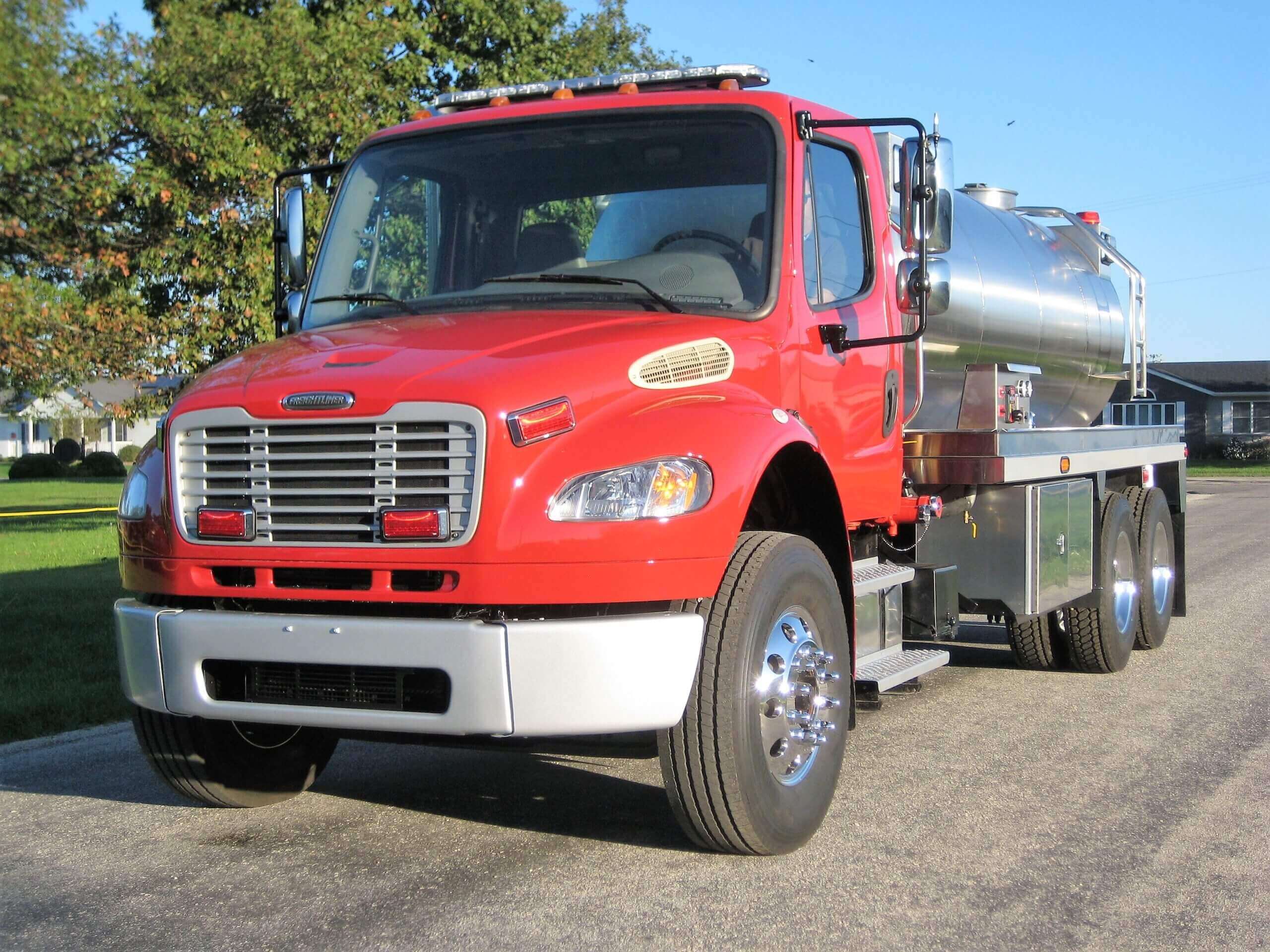
- Select tank materials: poly, stainless steel, or aluminum
- Customize pumps, hose reels, water monitors, and dump valves
- Adjust compartments, lighting, and emergency equipment to match your workflows
Strategic customization ensures every truck contributes to operational efficiency and safety.
6. Plan for the Future, Not Just Today
Your fleet should be future-proof. Consider:
- Expected call volume growth
- Expanding service areas
- Evolving firefighting or industrial regulations
- Technological upgrades such as enhanced foam systems or rapid response configurations
Planning ahead reduces the need for premature replacements and keeps your fleet ready for years to come.
7. Building a Smarter Fleet Strategy
A well-planned fleet is more than a collection of vehicles—it’s a coordinated system designed for efficiency and safety.
The best departments:
- Balance new builds with refurbished units
- Replace only when necessary
- Standardize equipment where possible
- Continuously evaluate performance and needs
Frequently Asked Questions About Fire Department Fleet Upgrades
How often should a fire department evaluate its fleet?
Fire departments should evaluate their apparatus regularly rather than waiting until a vehicle requires major repairs or reaches the end of its service life. Reviewing vehicle age, maintenance history, reliability, capabilities, and changing response needs can help departments identify potential upgrades early and plan future budgets more effectively.
When should a fire truck be refurbished instead of replaced?
Refurbishment may be a practical option when the chassis and major structural components remain in good condition and the apparatus still meets most of the department’s operational needs. Updating tanks, pumps, compartments, lighting, or other components can extend the useful life of the vehicle without requiring a completely new apparatus.
What should a fire department consider when replacing a tanker or tender?
Departments should consider water capacity, pump and discharge requirements, terrain, response area, available water sources, compartment needs, chassis configuration, and anticipated call volume. The goal should be to select an apparatus that supports both current operations and expected future needs.
Can a fire tanker or tender be customized for a department’s specific needs?
Yes. Fire tankers and tenders can be configured with different tank materials and capacities, pumps, hose reels, water monitors, dump valves, compartments, lighting, and other equipment. Working with an experienced apparatus manufacturer helps departments create a truck suited to their specific response requirements and workflows.
How can fire departments plan for the cost of new apparatus?
Planning should consider more than the initial purchase price. Departments can evaluate total cost of ownership, anticipated maintenance, expected service life, warranties, and available financing. Depending on eligibility and current programs, departments may also explore federal, state, or local grant opportunities to help fund apparatus purchases.
Why is long-term fleet planning important for fire departments?
Long-term planning allows departments to anticipate replacements, spread major expenses across multiple budget years, and reduce the risk of relying on aging or unreliable apparatus. It also gives departments an opportunity to prepare for changing call volumes, service areas, safety requirements, and equipment needs.
Partner with Osco for Smart Fleet Upgrades
Strategically planning your fleet upgrade means your department can respond faster, work smarter, and maintain safety standards while staying within budget. At Osco Tank & Truck Sales, we guide you from assessment to delivery—customizing trucks that match your specific operational needs.
View recent Osco Tank & Truck Sales deliveries to see how departments are upgrading their fleets nationwide.
Contact Osco today to start planning a fleet upgrade that delivers performance, safety, and long-term value.